
Cyberattack threatens utterly critical infrastructure in Japan: KFC
KFC Japan has stopped taking online orders and says it may temporarily close stores after the systems of a logistics partner went down following a cyberattack. The fried-chicken chain itself was not breached – its ability to operate was.
Why it matters
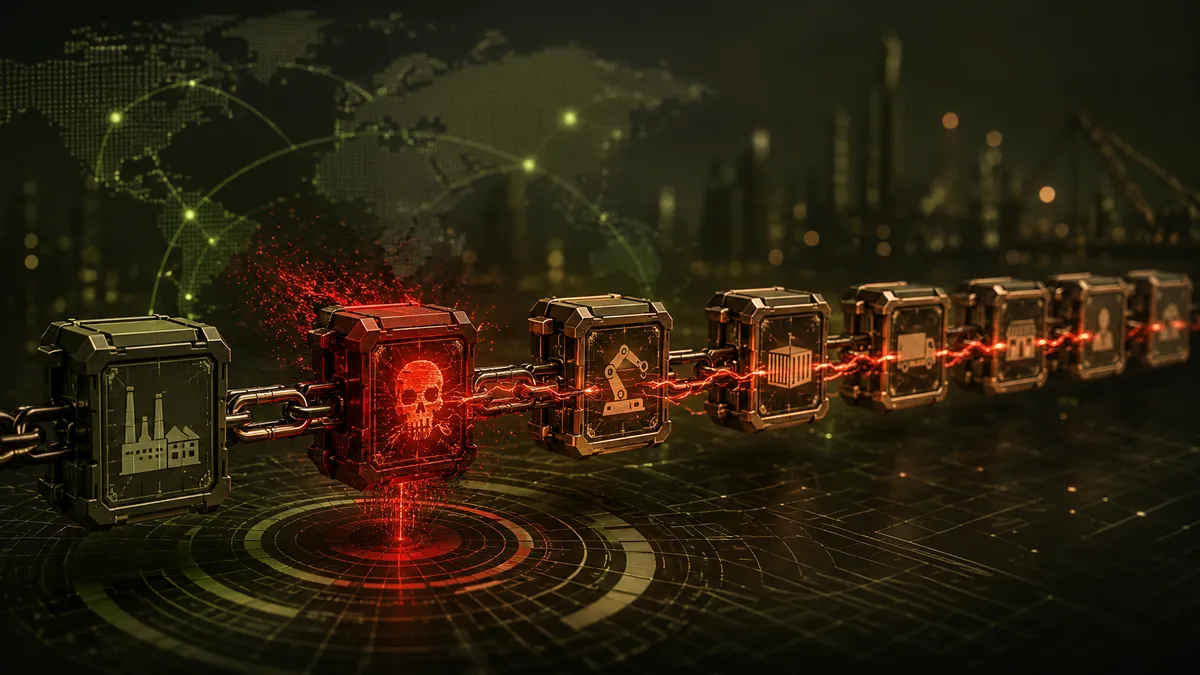
This is the textbook shape of a modern supply-chain incident: the victim that makes headlines is not the organization that was attacked. When a distributor, warehouse operator or delivery platform is knocked out, every business downstream inherits the outage instantly – with no patch to apply and no attacker in their own network to hunt.
Food and retail chains are especially exposed because their logistics layer is both time-critical and heavily concentrated: one partner often serves hundreds of locations. An attacker doesn't need to touch the brand you know; taking down the company that moves its stock achieves the same disruption with a much smaller target surface.
The pattern behind the headline
Recent years have produced a steady stream of retail and food-sector interruptions that started at a supplier – from wholesale distributors to point-of-sale providers. The common thread is that business continuity, not data theft, is the immediate damage: empty shelves, closed tills, halted orders. For extortion crews that's a feature, because operational pain creates pressure to pay quickly.
What to take away as a defender
- Map your critical third parties: not just software vendors, but the physical-world operators (logistics, fulfilment, payments) your revenue stops without.
- Tabletop the "partner down" scenario: how long can you operate manually, who declares it, what do you tell customers in hour one?
- Put security expectations in contracts: notification windows, recovery objectives, and evidence of testing, so the first conversation isn't happening mid-incident.
Where the recovery clock actually runs
The uncomfortable part of an incident like this, for the brand in the headline, is how little of the recovery it controls. There is no patch to apply, no attacker to evict from its own network, and no forensic timeline it owns. Restoring online orders depends entirely on how fast the logistics partner contains its breach, rebuilds clean systems, and re-establishes the data feeds both companies rely on. That is a fundamentally different position from being breached directly: the victim's job shifts from technical response to operational damage control and communication, often with very little visibility into what is actually happening upstream.
It's also why the initial framing matters. A "systems outage" and a "supplier cyberattack" read very differently to customers, regulators and partners, and the organizations that weather these events best are usually the ones that decided in advance how they would describe a third-party incident they didn't cause but still have to answer for.
This is our own summary and analysis. The original reporting is at theregister.com →
Frequently asked questions
Was KFC Japan itself hacked?
Why do attacks on logistics partners hurt retailers so much?
What should companies do about this kind of risk?
Daniel A. and Óscar S. run Breachfolio, a small independent site about security and AI. This article was drafted with AI assistance and reviewed by a person before it went live. We write from documentation, vendor sources and published research rather than from original lab benchmarks, and we link a source in the sentence that relies on it. How we work · About us