
Something looks wrong. Here's what to do.
A fake site took your card. A text claims to be the IRS. An account you don't recognize is posting as you. These guides are for right now – clear steps, in order, backed by the actual agencies and platforms you'd report to.


I clicked a phishing link.
If you only opened it and closed it, almost certainly nothing happened. What decides is what you did next: typed something, downloaded, or approved a prompt.
Is it safe to save passwords in your browser?
It does encrypt them, and anyone saying otherwise is out of date. What decides the risk is whether something can run on your computer as you.

You sent a photo of your ID.
The photo alone is rarely enough: what decides the risk is what else they hold about you, plus the free credit check almost no article mentions.

Your data has already leaked.
How to check whether your email is in a breach, what appearing on the list actually means, and the order of actions that genuinely reduces risk.

Someone copied your website.
How to gather the evidence, which registrar and host to write to, how to get it flagged in browsers, and what not to do while the takedown goes through.

Someone is in your email.
Lock them out, undo the forwarding rule they left behind, and secure the accounts that reset through it. The order matters more than the speed.
Fake tech support scams: pop-ups, cold calls, and remote access.
A pop-up says your computer is infected. A caller claims to be from Microsoft. Here's how the scam works and how to shut it down safely.
Is that job offer real? Fake recruiters, fake checks, and reshipping scams.
A real employer never asks a new hire to cash a check and wire back the difference, or interview entirely through a chat app.
I entered my credit card on a fake website.
The urgent first steps: freeze the card, check pending charges, and don't confirm any follow-up call or code.
How to tell if an IRS text message is fake.
The IRS doesn't text you about refunds or penalties. Here's what real scam messages look like, and what to do with one.

How to report a scam website in the US.
What evidence to save, and exactly where it goes: the FTC, the IC3, and the platforms that can actually pull the page down.
Your messaging account got hacked.
Log back in, check linked devices, warn your contacts before they get scammed too, then lock it down for good.

Is this domain fake or suspicious?
HTTPS proves nothing by itself. The real signals: the actual domain, its age, and what the page is asking you for.
Someone's impersonating you on Instagram.
Confirm it's real impersonation, save evidence before the account changes, then report it and warn your contacts.
That call for money might be an AI clone.
A familiar voice isn't proof of identity anymore. Hang up, call back on a known number, and verify before you send anything.

Someone is threatening to share your photos.
Don't pay and don't panic. Here's exactly what to do, and where to report it for free.

Your Amazon order text is probably fake.
A failed delivery or refund message is the bait. Check your real account before you tap anything.
That PayPal payment might not be real.
A payment that only exists in an email isn't a payment. Verify inside PayPal before you ship anything.

Netflix says your payment failed?
The billing-problem email is one of the most copied phishing templates out there. Here's how to check it safely.
Your Apple ID isn't really locked.
Fear of losing your photos is the hook. Verify through Settings or account.apple.com, never the email link.
That $499 antivirus renewal is a scam.
The invoice is fake – the phone call is the real attack. Don't call, don't install anything, check your account directly.

Verify a charity before you donate after a disaster.
Scammers move as fast as real relief organizations do. Here's how to check where your money actually goes.
Your host wants a transfer outside Airbnb?
Leaving the platform means losing your protection. Verify any payment request through official support first.
Is that Google security alert real?
Check your actual account activity directly – never through the email's own link or button.

The crypto app won't let you withdraw? That's the tell.
A small first withdrawal builds trust before the real trap. Here's how pig butchering actually works.

Package Delivery Text Scam: What to Do Right Now
A text or email about a failed package delivery is a common scam. Learn what to do if you clicked a link and how to identify these phishing attempts.
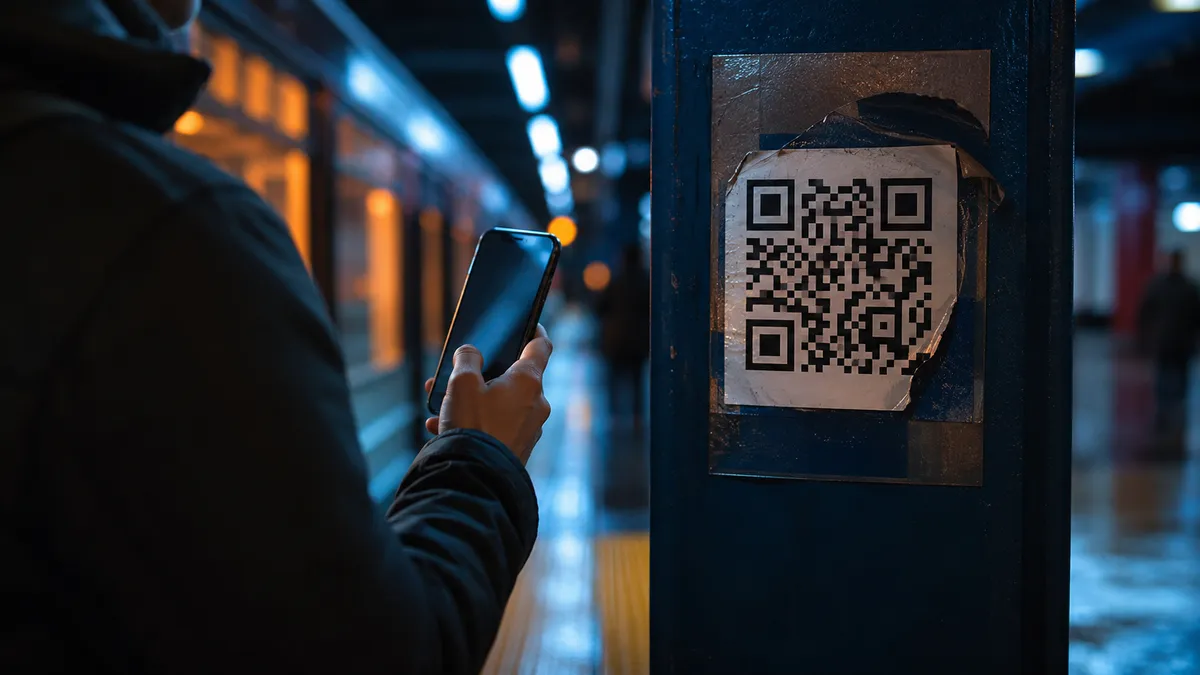
Bank Fraud Department Safe Account Scam: What to Do Now
Learn why the bank fraud department safe account scam is a dangerous threat and discover the immediate steps to take if you have been contacted by a fraudster.