
Security tooling, head to head.
Reproducible benchmarks of the offensive- and defensive-security tools practitioners actually argue about. Every score is versioned. Every test plan is published, no paid placement, ever.

NordVPN vs Surfshark vs Proton VPN: which one is worth it in 2026.
Every VPN comparison online exists to place an affiliate link. This one starts with what a VPN doesn't do, and the fact that two of the three companies are the same company.

Signal vs WhatsApp vs Telegram: which app is actually private in 2026.
Signal and WhatsApp encrypt everything by default. Telegram doesn't, unless you know to look for Secret Chats. What actually protects you, and what only looks like it does.

Bitwarden vs 1Password vs KeePassXC: choosing a password manager in 2026.
Three genuinely different answers to where your vault should live. Zero-knowledge encryption, open-source status, self-hosting and real pricing, compared.
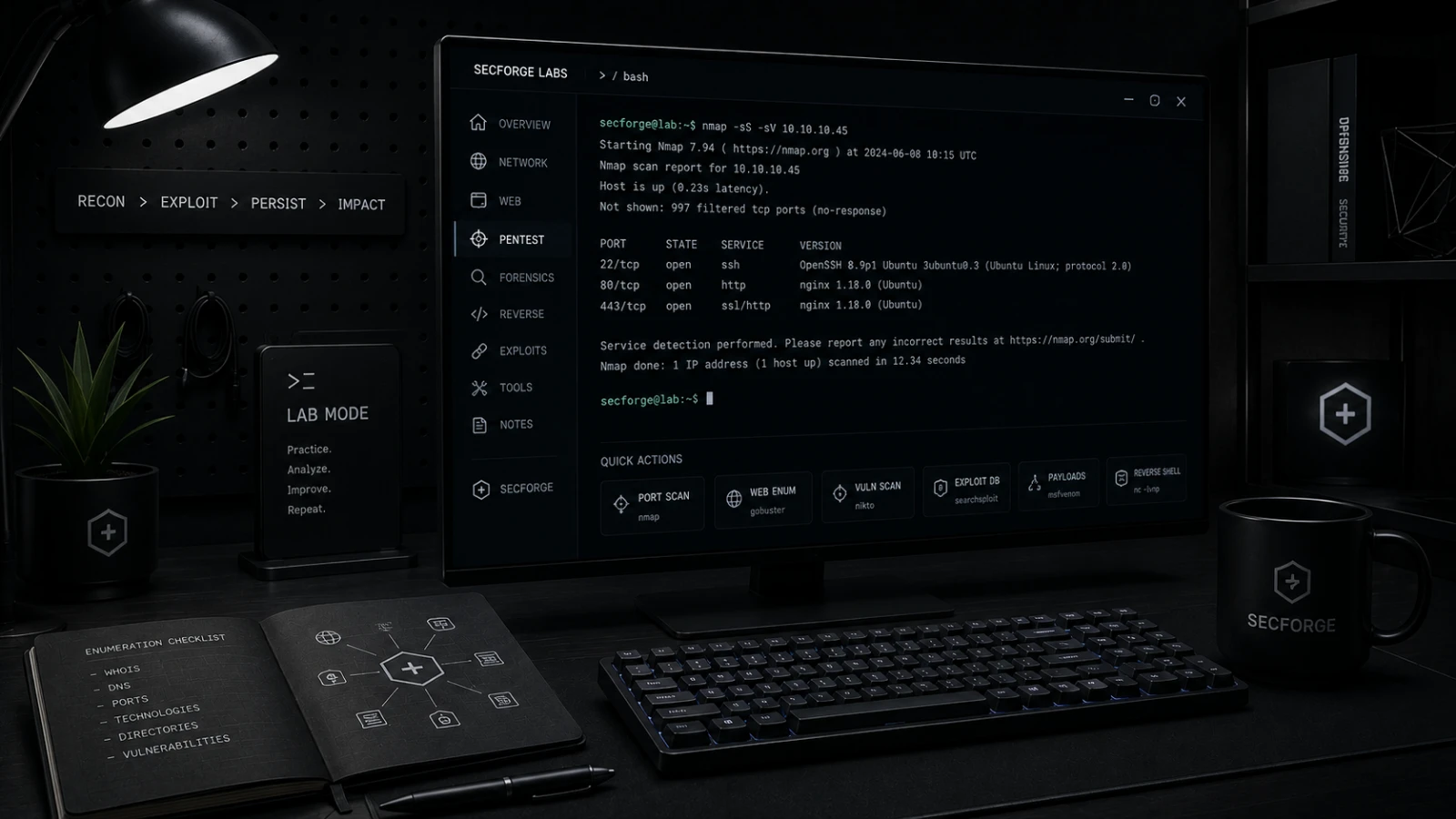
Nmap vs Masscan: accuracy versus raw throughput.
A /24 sweep, a /16 sweep, then a hostile /8. Where Nmap's service detection earns its seconds, and where Masscan stops being a footgun.
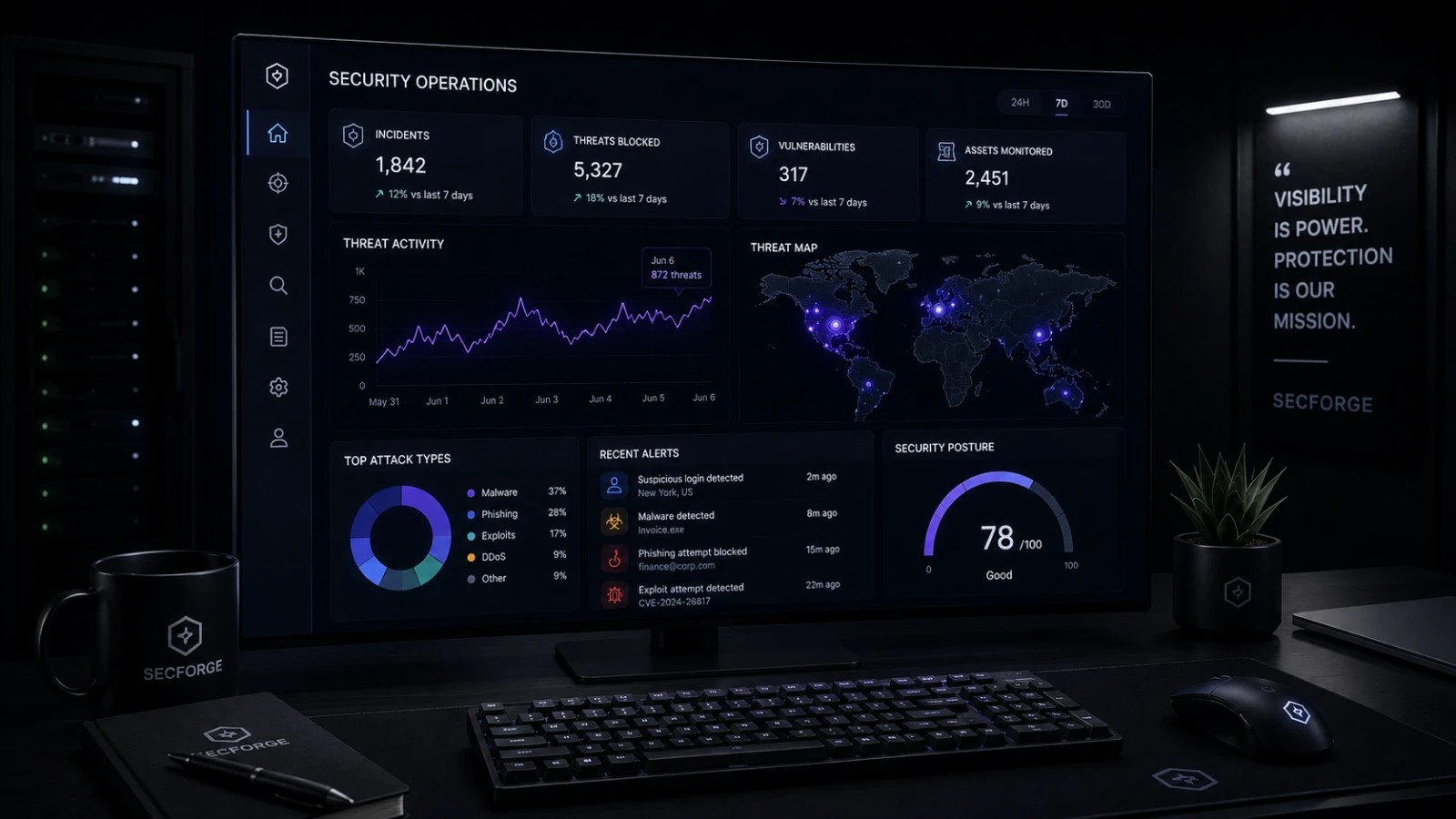
Burp Suite vs OWASP ZAP: pays its rent?
Eight deliberately-broken apps, both proxies driven by the same playbook. Manual testing ergonomics, extension surface, and the price of 'free'.
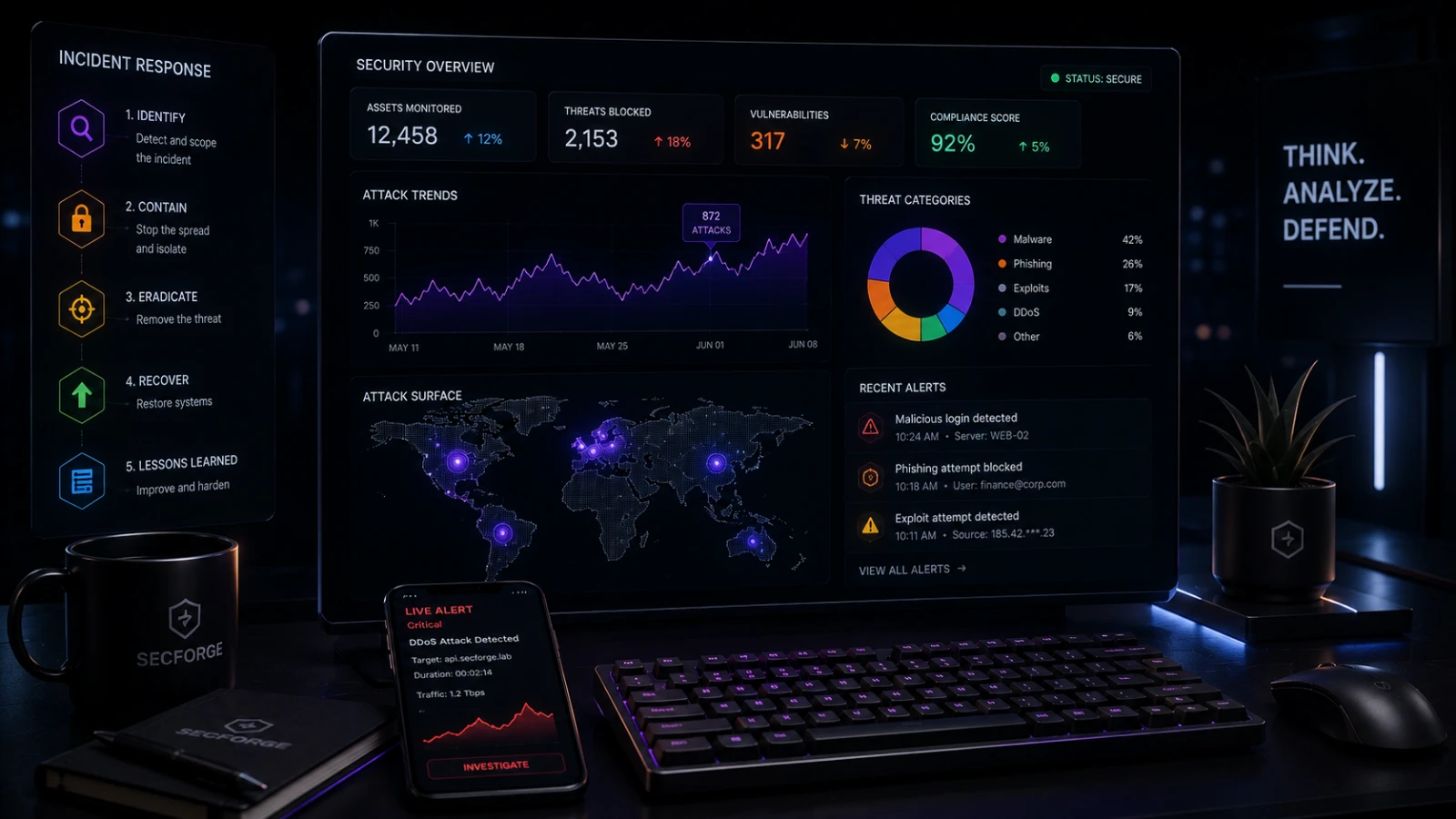
Wireshark vs tcpdump: pick the right tool.
When you reach for a GUI, when you reach for a CLI, and how to make them work together in real incident response.
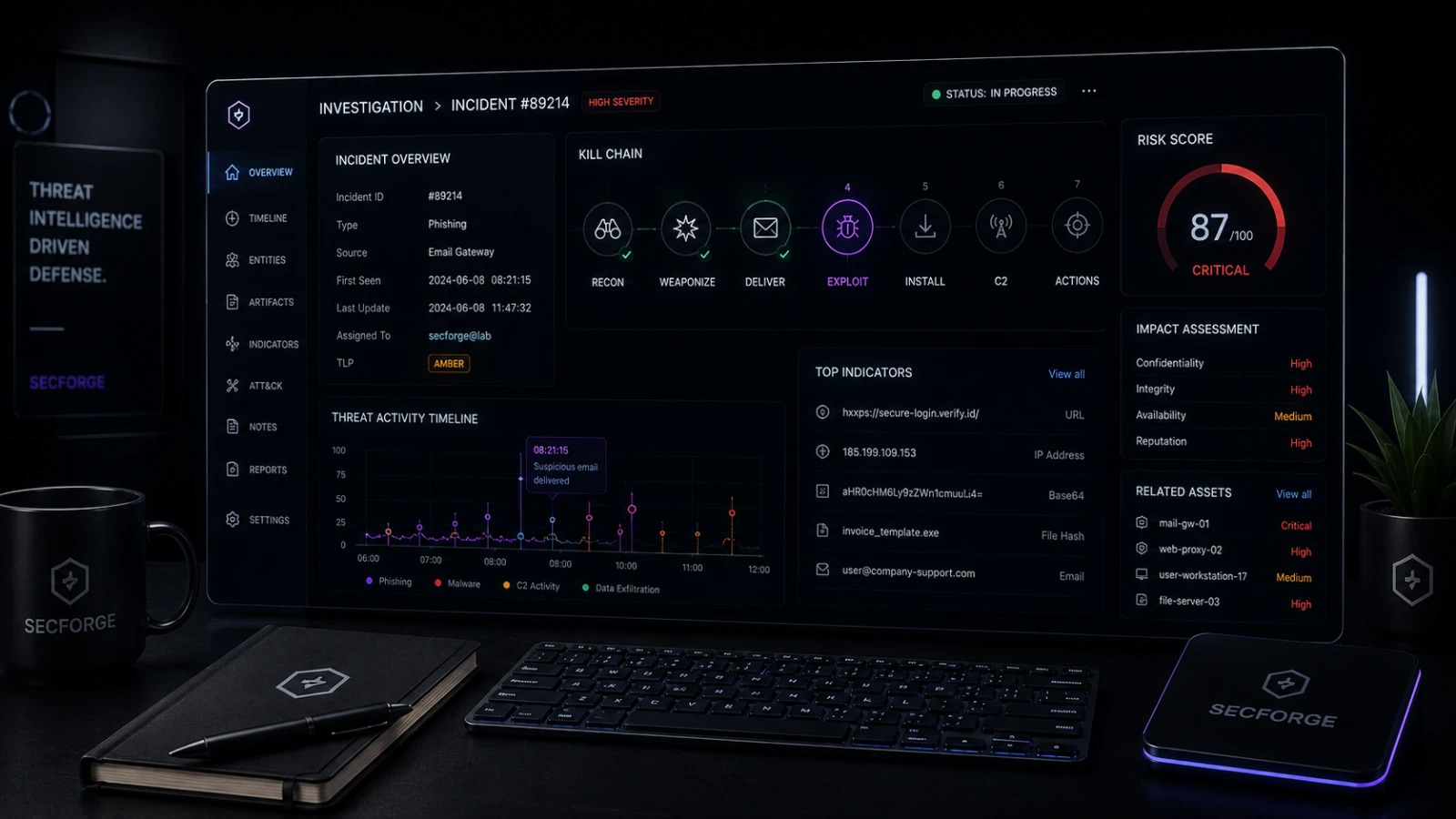
Kali Linux vs Parrot OS: the daily-driver test.
The boring choice that costs hours: which distro is least painful as a daily driver, not just for a CTF screenshot.

Metasploit vs Sliver: post-exploitation frameworks in 2026.
An ageing classic against the modern Go-native challenger. Exploit library, listener ergonomics, and how each one survives a tuned EDR.

Splunk vs Wazuh vs ELK: which SIEM fits your budget.
Three genuinely different cost models wearing the same "SIEM" label. The right pick depends on budget and team size, not a feature checklist.
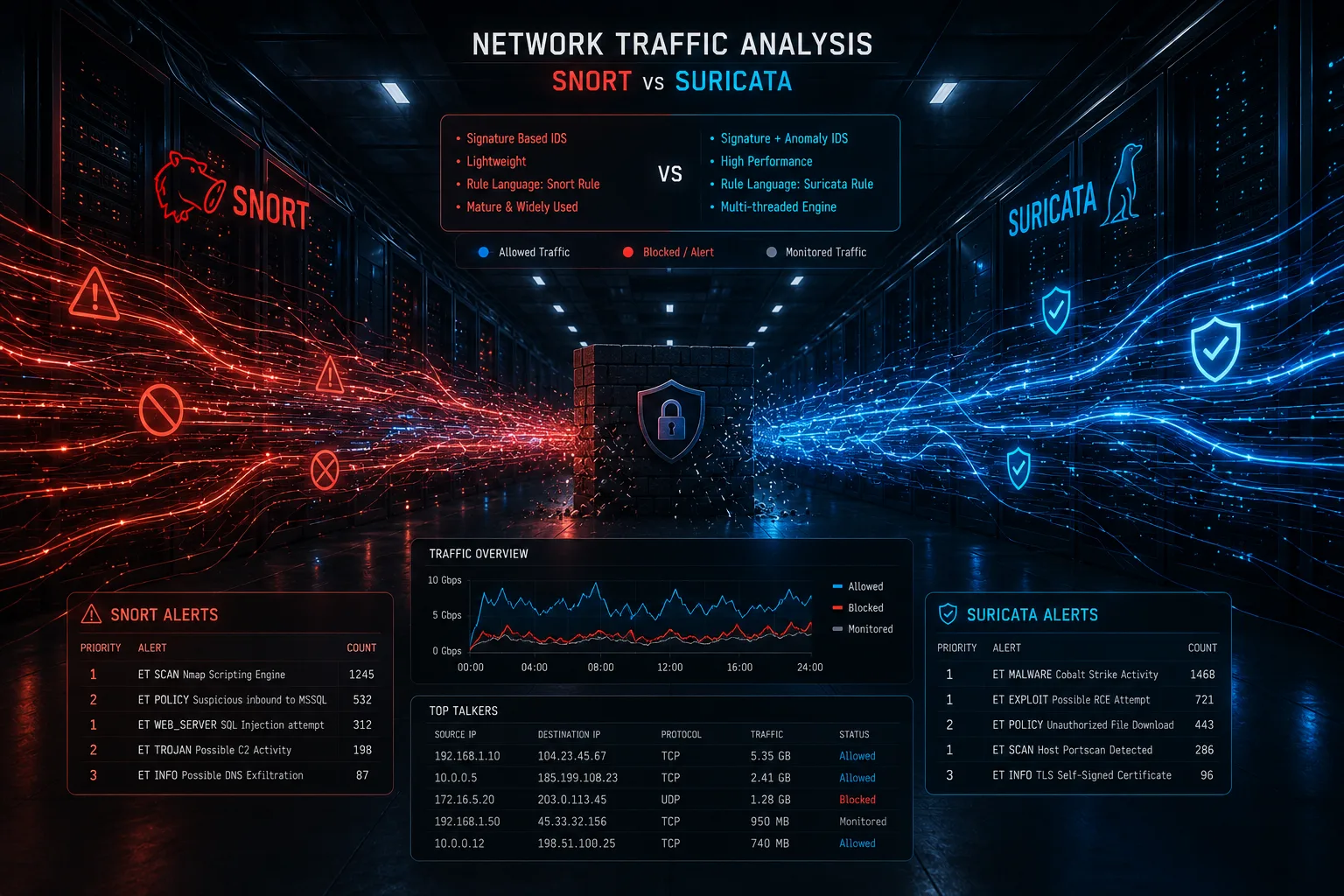
Snort vs Suricata: the other IDS debate.
Snort defined the rules format the whole industry still writes in. Suricata rebuilt the engine underneath it for modern multi-core hardware.
Tenable Nessus vs OpenVAS: scanners head to head.
A polished commercial plugin feed against a free, community-driven one. The real difference shows up in accuracy, setup time, and audits.

Burp Suite vs Caido: the new proxy that's actually fast.
A Rust-based challenger built for speed and a browser-native UI. Where Caido keeps up, and where its scanner still can't.